


Best FPV Drones for Beginners in 2026: Our Top Picks for Racing & Freestyle
The DJI Avata 2 is the best FPV drone for most beginners in 2026, combining a 4K/60fps camera, 23-minute flight time, and beginner-friendly controls starting from $579 drone-only (Fly More Combo from $719 on sale). If you want pure manual FPV skills on a budget, the BetaFPV Cetus X kit at $260 teaches you real stick control with everything included. Below, we break down the five best beginner FPV drones by use case, with real specs, current prices, and honest pros and cons.
TL;DR — Key Takeaways
- Best overall for most people: DJI Avata 2 — 4K camera, O4 video link, prop guards, motion controller. Fly More Combo currently $719 (down from $999).
- Best budget training kit: BetaFPV Cetus X FPV Kit — complete RTF kit for ~$260, includes goggles, controller, 4 batteries.
- Best freestyle starter: EMAX Tinyhawk III Plus — 62.5g carbon-frame freestyle quad, analog BNF from ~$197.
- Best cinematic cinewhoop: GEPRC CineLog35 — carries a full GoPro, 3.5″ prop guards, from $216 (analog PNP).
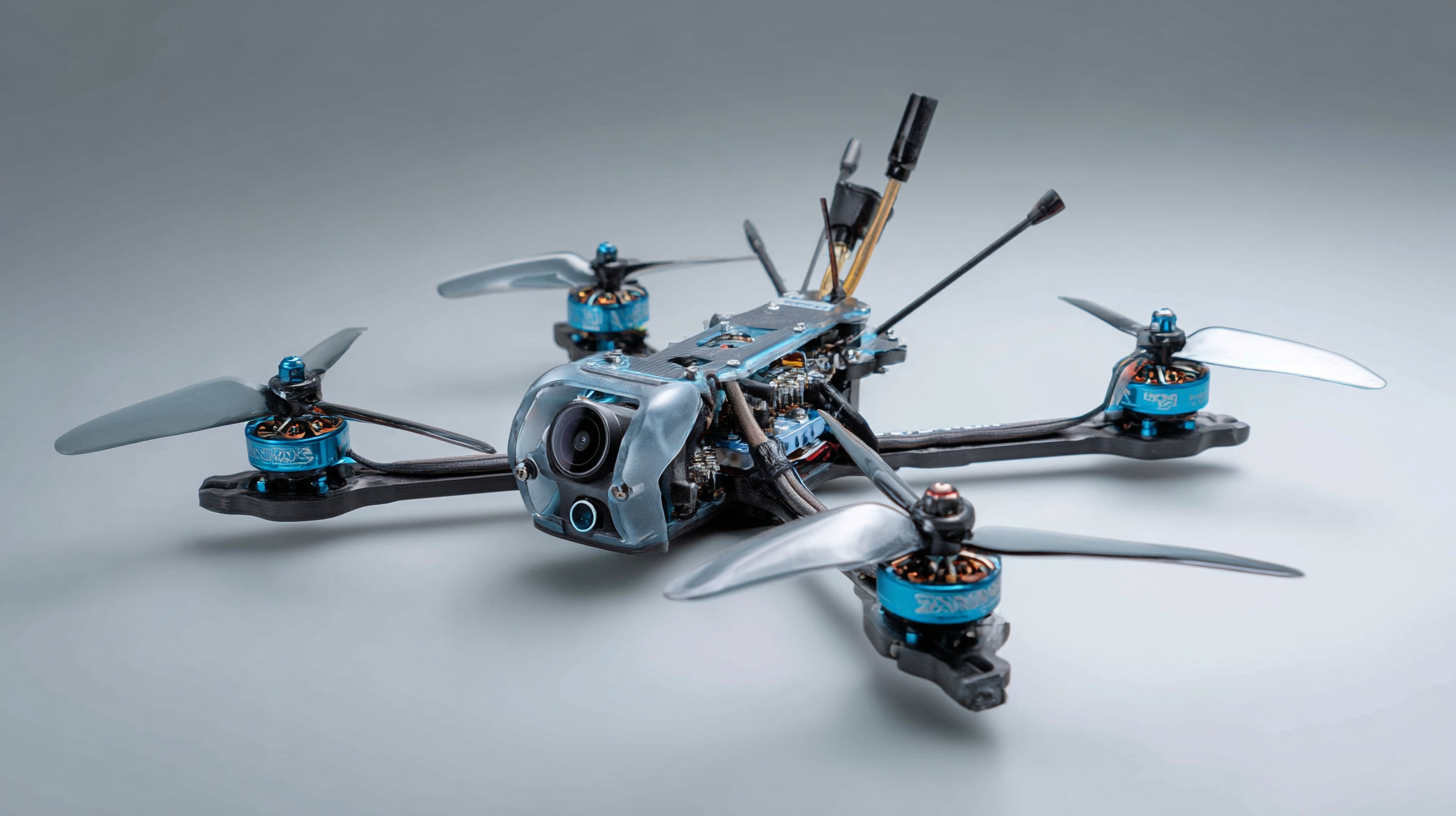
- Best high-performance BNF: iFlight Nazgul Evoque F5 V2 — 190 km/h top speed, DJI O3/O4 digital video, from ~$570.
1. DJI Avata 2 — Best FPV Drone for Most Beginners
The DJI Avata 2 is the easiest path into FPV flying in 2026, period. It ships ready to fly with DJI’s motion controller — point where you want to go, and the drone follows. No stick skills required on day one. Marketing says 23 minutes of flight time; real-world is closer to 16–18 minutes with mixed flying, which is still double what most traditional FPV quads deliver.
Key Specs
| Spec | DJI Avata 2 |
|---|---|
| Camera | 12MP, 1/1.3″ CMOS, 4K/60fps HDR, 155° FOV |
| Video Transmission | DJI O4 — 13 km range, 24 ms latency, 1080p/100fps live view |
| Flight Time | Up to 23 min (spec) / ~16–18 min (real-world) |
| Weight | 377g (takeoff) |
| Top Speed | 97 km/h (27 m/s) in Manual mode |
| Internal Storage | 46 GB |
| Obstacle Sensing | Downward + backward binocular fisheye |
Pricing (as of April 2026)
DJI has dropped Avata 2 prices significantly ahead of the new Avata 360 launch:
- Drone only: $409
- Fly Smart Combo (1 battery, no goggles): from $526
- Fly More Combo (1 battery + Goggles 3): from $719
- Fly More Combo (3 batteries + Goggles 3): from $859
Pros
- Motion controller makes FPV accessible to complete beginners
- Built-in prop guards — safe for indoor flying
- 4K/60fps HDR video eliminates the need for a separate GoPro
- Turtle Mode flips you right-side up after a crash
- Easy ACRO mode lets you do flips, rolls, and 180° drifts with button presses
Cons
- Closed ecosystem — can’t swap components like traditional FPV builds
- Crash repairs are expensive (whole-unit replacement, not individual parts)
- Requires FAA registration in the US (over 250g)
- Not suitable for competitive racing — prioritizes safety over raw speed
Verdict: If you want to experience FPV flying today without spending months learning stick controls, the Avata 2 is the answer. The current price drops make it a genuine steal. For more on how it compares to DJI’s latest, check out our coverage of the DJI Avata 360 launch.
2. BetaFPV Cetus X — Best Budget FPV Training Kit
The BetaFPV Cetus X is the kit that teaches you how to actually fly FPV. Unlike the Avata 2’s assisted modes, the Cetus X progressively builds your manual control skills from hover-assisted Normal mode through to full Acro. At ~$260 for the complete kit (currently on sale from $310), it’s the lowest-risk entry into real FPV piloting.
Key Specs
| Spec | BetaFPV Cetus X |
|---|---|
| Type | Micro whoop (2S power) |
| Weight | 55–81g (depending on version + batteries) |
| Motors | 1103 11000KV |
| Camera | C04 FPV Camera (analog) |
| VTX | M04 25–400mW |
| Flight Time | ~5 min per battery |
| Flight Modes | Normal (position hold), Sport, Manual/Acro |
| Kit Includes | Drone, LiteRadio 3, VR03 Goggles, 4 batteries, charger, carry case |
Pros
- Complete RTF kit — everything you need in one box
- Incredibly crash-resistant PA12 frame with prop guards
- Position hold mode (Cetus FC version) prevents panic crashes
- Cheap replacement parts — frame swap costs ~$12, no soldering needed
- Turtle Mode for self-righting after crashes
- LiteRadio 3 controller doubles as a simulator controller
Cons
- Analog video feed — noticeably grainy compared to digital systems
- 5-minute battery life means frequent swaps (buy extra batteries)
- VR03 goggles are basic — 480p resolution, no diopter adjustment
- Not suitable for cinematic content creation
Verdict: This is where real FPV pilots are made. Spend 2–3 weeks here, build your stick skills, and you’ll be ready to graduate to more powerful hardware. If you want HD goggles from the start, BetaFPV also offers the Cetus X HD FPV Kit with Walksnail digital video at $650.
3. EMAX Tinyhawk III Plus Freestyle — Best Micro Freestyle Drone
The Tinyhawk III Plus is a pocket-sized freestyle machine. At 62.5g (without battery), it’s light enough to avoid FAA registration, tough enough to survive dozens of crashes, and powerful enough to do proper rolls, flips, and power loops outdoors. The open-frame design — no prop guards — means real freestyle capabilities that whoop-style drones can’t match.
Key Specs
| Spec | EMAX Tinyhawk III Plus Freestyle |
|---|---|
| Wheelbase | 110mm |
| Weight | 62.5g (without battery) |
| Motors | 12025 7000KV |
| Props | AVAN Rush 2.5″ |
| FC | STM32F411, 6A BLHeli_S, ELRS 2.4G |
| Camera | RunCam Nano (analog) / HDZero Nano Lite (digital Plus version) |
| VTX Power | Up to 400mW |
| Battery | 1S HV 650mAh — ~4 min flight |
Pricing
- BNF drone only (analog): ~$169–$197
- RTF Kit (analog, with goggles & controller): ~$280
- RTF Kit (digital HDZero, with goggles & controller): ~$691
Pros
- True freestyle performance — flips, rolls, power loops
- Sub-250g — no FAA registration required (US recreational)
- Carbon fiber frame is extremely crash-resistant
- ELRS protocol — future-proof, low-latency control
- Quick-swap motor plugs for fast field repairs
Cons
- No hover or position hold — full manual control only
- Not suitable for indoor flight (exposed props)
- Short battery life (~4 min) — buy 6+ extra batteries
- Digital kit is expensive at $691
Verdict: If you’ve already learned the basics on a whoop or simulator and want to start doing actual freestyle tricks outdoors, the Tinyhawk III Plus is the smartest step up. The analog BNF version is the sweet spot for value.
4. GEPRC CineLog35 — Best Cinematic Cinewhoop
The CineLog35 is for beginners who know they want to create cinematic FPV content. Unlike the racing and freestyle drones above, this 3.5″ cinewhoop is built for smooth, controlled flight lines while carrying a full GoPro camera. Its prop guards make it safe to fly near people and objects — essential for indoor cinematic work.
Key Specs
| Spec | GEPRC CineLog35 |
|---|---|
| Frame | 3.5″ cinewhoop with integrated prop guards |
| Wheelbase | 142mm |
| Weight | ~220g (analog PNP, 4S) / ~237g (HD digital PNP) |
| Motors | GR2004 2550KV (4S) / 1750KV (6S) |
| FC | GEP-F722-35A AIO (Betaflight) |
| Props | Gemfan D90-3 (3-blade) |
| Camera | Caddx Ratel 2 (analog) / Caddx Nebula Pro or DJI O3 (digital) |
| Action Cam Mount | GoPro 9/10/11, Insta360 Go 2, Naked GoPro |
Pricing
- Analog PNP (4S): from $216
- Analog BNF (with receiver): from $270–$318
- HD version (DJI O3): from $519–$574
- V2 model: from $270 (analog) / $519 (HD O3)
Note: CineLog35 is sold as PNP (Plug-N-Play) or BNF (Bind-N-Fly). You’ll need to supply your own radio transmitter, goggles, batteries, and action camera separately.
Pros
- Carries a full-size GoPro — professional-quality footage
- Prop guards protect people, objects, and the drone itself
- Advanced damping system virtually eliminates video jello
- Pusher frame design reduces noise significantly
- Digital HD models (sub-250g with light battery) can potentially avoid registration
Cons
- Not a beginner-first-day drone — requires prior FPV stick skills
- PNP/BNF only — you need existing radio gear and goggles
- Total system cost (drone + goggles + radio + GoPro) can exceed $1,000
- Front-heavy with full GoPro mounted
Verdict: The CineLog35 is the drone you graduate to once you’ve mastered basic FPV control. If smooth, cinematic FPV footage is your goal, this is the platform the pros use. Pair it with a naked GoPro for the best weight-to-quality ratio. Check out our guide on racing drones vs photography drones for more on choosing the right type.
5. iFlight Nazgul Evoque F5 V2 — Best High-Performance Freestyle
The Nazgul Evoque F5 V2 is the drone you buy when you’re done practicing and ready for serious freestyle or racing. At 190 km/h top speed and with DJI O3 or O4 digital video, it delivers performance that DJI’s consumer FPV drones simply can’t match. It’s a 5-inch, 6S powerhouse — not beginner-friendly on day one, but the aspirational target every FPV pilot is working toward.
Key Specs
| Spec | iFlight Nazgul Evoque F5 V2 |
|---|---|
| Frame Wheelbase | 223–225mm (DeadCat / Squashed-X) |
| Weight | ~419g (analog) / ~436g (HD with O4) |
| Takeoff Weight | ~644–695g (with 6S 1480mAh battery) |
| Motors | XING2 2207 1750KV (HD) / XING-E Pro 2207 1800KV (analog) |
| FC | BLITZ Mini F722 |
| ESC | BLITZ Mini E55 4-IN-1, 2–6S 55A |
| Top Speed | 190 km/h |
| Hover Time | ~7.5 min (HD) / ~11.5 min (analog) |
| Video TX | DJI O3/O4 Pro (HD) / BLITZ Whoop 1.6W VTX (analog) |
Pricing
- Analog BNF: from ~$450 (drone only, no goggles/radio)
- HD with DJI O3: from ~$570
- HD with DJI O4 Pro: from ~$720–$767
Note: BNF drones require your own radio transmitter and goggles. Budget $150–$500+ for a compatible setup (e.g., RadioMaster Boxer + DJI Goggles).
Pros
- True high-performance freestyle — 190 km/h, unlimited trick potential
- Protective frame design keeps electronics clean after crashes
- Anti-spark battery filter extends connector lifespan
- GPS option available for rescue mode
- Illuminated side panels — looks spectacular in flight
Cons
- Absolutely not for beginners — requires solid acro skills
- Open-frame design — dangerous to people and property at speed
- Requires FAA registration (well over 250g)
- Total system cost easily exceeds $1,200+ with goggles and radio
- 3–8 minute flight times depending on flying style
Verdict: This is the endgame drone for FPV freestyle. Don’t buy it first — get a Cetus X or Tinyhawk, log 20+ hours on a simulator, then step up to the Nazgul when your skills are ready. See our indoor drones guide for safer alternatives to fly while you’re learning.
FPV Drone Comparison Table
| Drone | Best For | Price (starting) | Weight | Flight Time | Video System | Skill Level |
|---|---|---|---|---|---|---|
| DJI Avata 2 | Most people | $409 (drone) / $719 (combo) | 377g | ~18 min | DJI O4 digital | Beginner |
| BetaFPV Cetus X | Learning to fly FPV | ~$260 (full kit) | 55–81g | ~5 min | Analog | Beginner |
| EMAX Tinyhawk III Plus | Micro freestyle | ~$197 (BNF) | 62.5g | ~4 min | Analog / HDZero | Beginner–Intermediate |
| GEPRC CineLog35 | Cinematic FPV | ~$216 (PNP) | 220–237g | ~6–8 min | Analog / DJI O3 | Intermediate |
| iFlight Nazgul Evoque F5 V2 | High-performance freestyle | ~$570 (HD BNF) | 419–436g | ~7–11 min | DJI O3/O4 / Analog | Advanced |
Before You Buy: FPV Beginner Checklist
- Start with a simulator. Download Liftoff ($20) or Velocidrone ($23) and log at least 10 hours before your first real flight. Skills transfer directly. A cheap USB controller or even the BetaFPV LiteRadio 3 works as a sim controller.
- Choose your path: Want easy FPV today? → DJI Avata 2. Want to learn traditional FPV skills? → BetaFPV Cetus X or EMAX Tinyhawk III Plus.
- Budget for batteries. FPV flight times are 4–23 minutes per battery. Buy at least 4–6 extras for any micro drone. For the Avata 2, the 3-battery combo is worth it.
- Know your local drone laws. In the US, drones over 250g require FAA registration ($5 for recreational, valid 3 years). The Cetus X, Tinyhawk III, and CineLog35 (without GoPro) are all under 250g.
- Join a community. Subreddits like r/fpv, local MultiGP chapters, and YouTube channels (Joshua Bardwell, Mr Steele, Rotor Riot) accelerate your learning dramatically.
Frequently Asked Questions
What is FPV flying?
FPV stands for First Person View. You wear goggles that show a live video feed from the drone’s camera, giving you an immersive, in-cockpit perspective. It’s the difference between watching a drone from the ground and feeling like you’re actually flying.
Can a complete beginner fly an FPV drone?
Yes, but your starting point matters. The DJI Avata 2 with its motion controller is genuinely beginner-friendly — point and fly. Traditional FPV drones like the Cetus X require learning stick controls, which takes 10–20 hours of practice (start on a simulator).
How much does a complete FPV setup cost?
A complete beginner kit starts at ~$260 (BetaFPV Cetus X) or ~$719 (DJI Avata 2 Fly More Combo). A full traditional FPV setup (drone + goggles + radio + batteries) typically runs $500–$1,500 depending on whether you choose analog or digital video.
What’s the difference between analog and digital FPV?
Analog FPV is cheaper but lower resolution (typically 480p equivalent) with more static and interference. Digital systems (DJI O3/O4, HDZero, Walksnail) deliver HD video with less latency. For learning, analog is fine. For cinematic content, digital is worth the premium.
Do I need to register my FPV drone with the FAA?
In the US, only if it weighs 250g or more at takeoff. The BetaFPV Cetus X (~55g), EMAX Tinyhawk III Plus (~62.5g), and GEPRC CineLog35 (~220g without GoPro) are all under the limit. The DJI Avata 2 (377g) and iFlight Nazgul (~644g with battery) require registration.
How long do FPV drone batteries last?
This is the honest truth most guides skip: FPV battery life is short. Micro drones (Cetus X, Tinyhawk) get 4–5 minutes. The Avata 2 gets 16–18 minutes of real flying. Full-size freestyle quads (Nazgul) get 5–8 minutes of aggressive flying, up to 11 minutes cruising. Always carry multiple batteries.
Should I build or buy my first FPV drone?
Buy. RTF (Ready-to-Fly) kits and BNF (Bind-N-Fly) drones let you start flying immediately. Building is rewarding but adds weeks of learning before your first flight. Build your second drone after you understand what you want from the hobby.
Is it worth waiting for newer FPV drones in 2026?
If you’re eyeing the DJI ecosystem, the Avata 360 just launched with 8K 360° video, but it’s an outdoor drone at $979 and overkill for beginners. The Avata 2’s current price drops make it the value play right now. For traditional FPV, the Cetus X and Nazgul remain the benchmarks — no imminent replacements announced.
Bottom Line
FPV flying is the most exhilarating thing you can do with a drone. But the “best” beginner FPV drone depends entirely on what kind of pilot you want to become.
If you want the easiest, most polished experience with no learning curve, the DJI Avata 2 at its current discounted pricing is an unbeatable deal. If you want to learn real FPV skills that translate to any drone you’ll ever fly, start with the BetaFPV Cetus X and graduate up.
Either way, download a simulator first. Your future self (and your wallet) will thank you.
For more drone guides and comparisons, explore our best beginner drones under $500 or dive into the professional camera drones comparison.
This article may contain affiliate links. TheRoboWire may earn a commission at no extra cost to you.
Prices checked on April 8, 2026. Prices may vary by retailer and region.
