


Quick Answer: Tesla Optimus 2026 Status
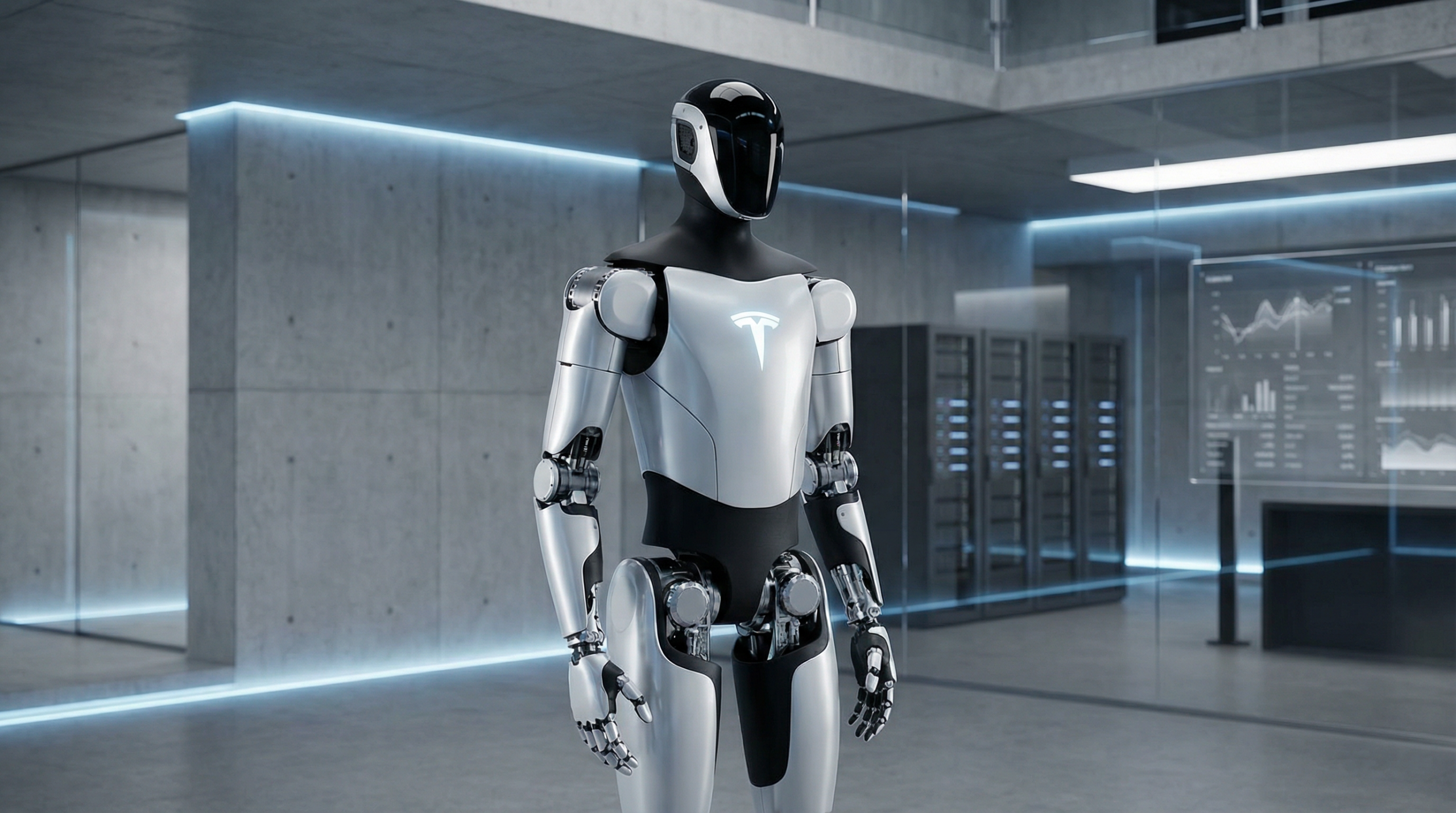
Tesla® Optimus humanoid robot is expected to begin limited production in 2026, with an estimated price between $20,000-$30,000. The robot can walk at 5 mph, lift 150 lbs, and perform basic household tasks. Tesla aims for wider deployment by 2027, targeting manufacturing and domestic applications.
Tesla Optimus Development Timeline
Elon Musk unveiled the Tesla® Optimus (originally called Tesla Bot) concept in August 2021, with the first working prototype demonstrated at Tesla’s AI Day in September 2022. The robot has undergone significant improvements since its initial cardboard cutout presentation.
Key development milestones include:
- August 2021: Initial concept announcement
- September 2022: First working prototype demonstration
- May 2023: Second-generation prototype with improved dexterity
- December 2023: Third iteration with enhanced mobility
- 2024-2025: Extensive testing and refinement phase
- 2026: Planned limited production start
Technical Specifications and Capabilities
The Tesla® Optimus Gen 3 prototype stands 5’8″ tall and weighs approximately 125 pounds. It features a sleek design with Tesla’s signature minimalist aesthetic, powered by the same neural networks used in Tesla vehicles.
| Specification | Details |
|---|---|
| Height | 5’8″ (173 cm) |
| Weight | 125 lbs (57 kg) |
| Walking Speed | Up to 5 mph (8 km/h) |
| Lifting Capacity | 150 lbs (68 kg) |
| Battery Life | 8+ hours typical use |
| Charging | Tesla Supercharger compatible |
The robot incorporates Tesla’s Full Self-Driving (FSD) computer and cameras, enabling it to navigate complex environments and perform tasks through visual recognition and machine learning.
Expected Pricing and Market Positioning
Elon Musk has stated that Tesla® aims to price Optimus “significantly less than $20,000” for mass production units. However, industry analysts suggest the initial 2026 production run may cost between $25,000-$30,000 due to limited manufacturing scale.
The pricing strategy positions Optimus as:
- Premium but accessible compared to industrial robots ($100,000+)
- Competitive with high-end electric vehicles
- Affordable for small businesses and affluent households
- Scalable for mass adoption by 2027-2028
Manufacturing and Production Plans
Tesla plans to manufacture Optimus at its Gigafactory Texas facility, leveraging existing automotive production expertise. The company expects to produce approximately 1,000 units in 2026, scaling to 20,000+ units by 2027.
Production challenges include:
- Complex actuator manufacturing
- AI chip supply chain constraints
- Quality control for dexterous manipulation
- Regulatory approval processes
Target Applications and Use Cases
Tesla® initially targets three primary markets for Optimus deployment:
Manufacturing and Warehousing: Repetitive tasks, material handling, and quality inspection in Tesla factories and partner facilities.
Household Assistance: Cleaning, cooking, laundry, and basic maintenance tasks for residential customers.
Commercial Services: Security, retail assistance, and hospitality applications in controlled environments.
Competition and Market Landscape
Tesla faces significant competition from established robotics companies and new entrants:
- Boston Dynamics: Atlas robot with advanced mobility
- Honda: ASIMO successor and P-Series robots
- SoftBank: Pepper and Nao service robots
- Figure AI: Figure 02 humanoid robot
- Chinese manufacturers: Unitree, UBTECH, and others
Tesla’s competitive advantages include automotive manufacturing scale, AI expertise, and brand recognition.
Regulatory and Safety Considerations
Humanoid robots face complex regulatory frameworks across different markets. Tesla must navigate:
- Safety standards for human-robot interaction
- Liability issues for autonomous operation
- Data privacy concerns with AI systems
- International export controls
The company is working with regulatory bodies to establish appropriate guidelines for consumer robotics.
Frequently Asked Questions
When will Tesla Optimus be available for purchase?
Tesla plans to begin limited production of Optimus in 2026, with initial units available to select customers and business partners. Broader consumer availability is expected in 2027-2028 as production scales up.
How much will Tesla Optimus cost?
Elon Musk has targeted a price “significantly less than $20,000” for mass-produced units. However, initial 2026 models may cost $25,000-$30,000 due to limited production volumes and advanced technology costs.
What tasks can Tesla Optimus perform?
Optimus is designed for general-purpose tasks including household chores, manufacturing assistance, and basic service applications. It can walk, climb stairs, lift objects up to 150 pounds, and perform dexterous manipulation tasks.
How does Tesla Optimus compare to other humanoid robots?
Tesla Optimus leverages automotive AI technology and aims for mass production at consumer-friendly prices. While competitors like Boston Dynamics have more advanced mobility, Tesla focuses on practical applications and affordability.
Investment and Market Impact
Analysts project the humanoid robotics market could reach $17 billion by 2030, with Tesla positioned to capture significant market share through aggressive pricing and production scaling.
Tesla’s robotics venture represents a natural extension of its AI and manufacturing capabilities, potentially creating a new revenue stream comparable to its automotive business. Success in humanoid robotics could cement Tesla’s position as a leader in AI-powered automation.
