


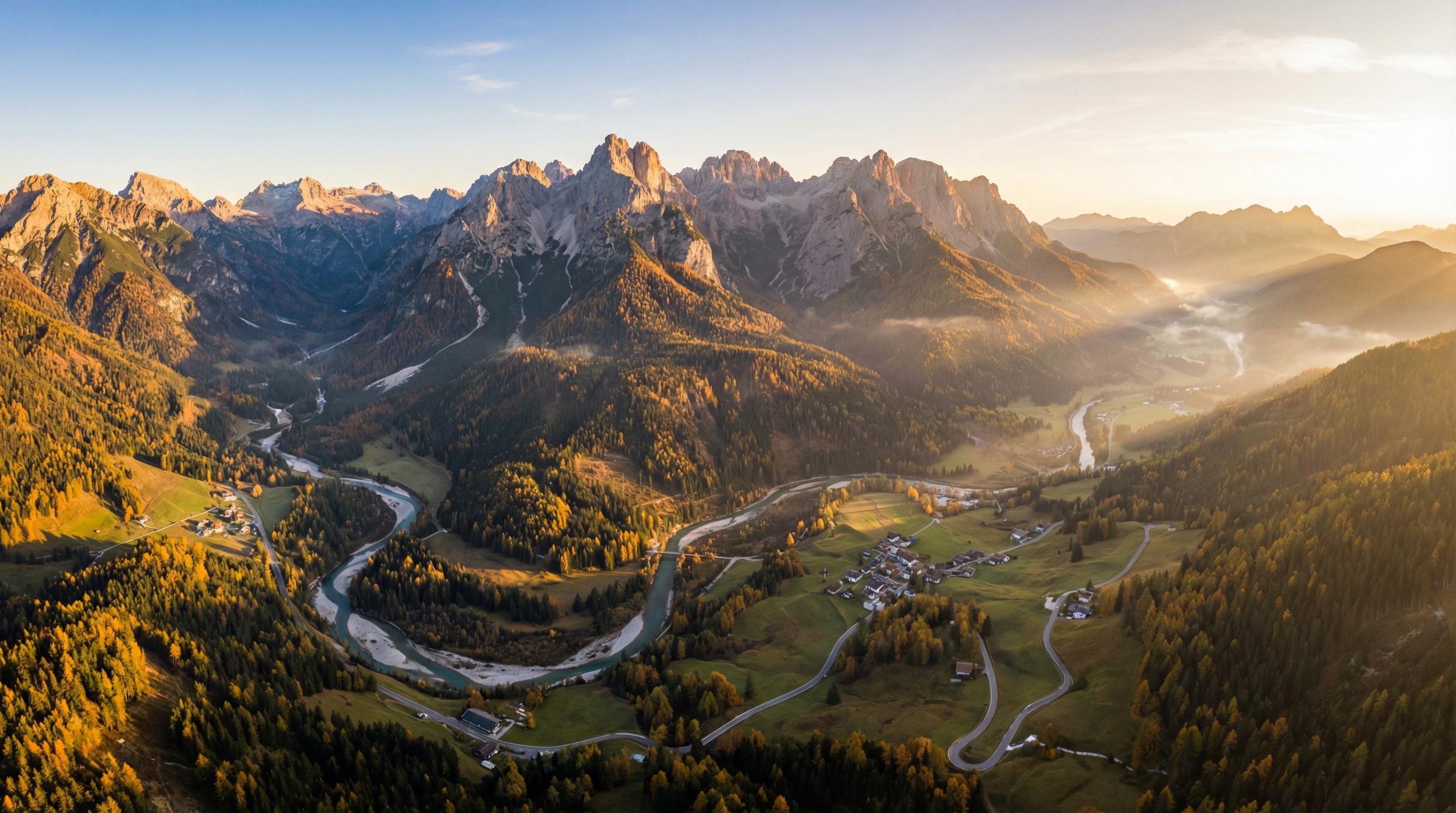
Quick Answer
Professional drone photography requires mastering composition rules (rule of thirds, leading lines), shooting during golden hour for optimal lighting, using ND filters for motion blur, and understanding aerial perspectives unique to drones. Plan shots with apps like PhotoPills, shoot in RAW format, and always prioritize safety over the perfect shot.
Master Drone Photography: Professional Techniques for Stunning Aerial Images
This article contains affiliate links. TheRoboWire may earn a commission on qualifying purchases at no extra cost to you. See our affiliate disclosure for details.
Drone photography has revolutionized how we capture and view the world, offering perspectives previously available only to professional film crews with helicopters. However, simply putting a camera in the sky doesn’t guarantee compelling imagery. Professional aerial photography requires understanding unique compositional challenges, mastering technical settings, and developing an eye for perspectives that ground-based photography can’t achieve.
This comprehensive guide covers everything from basic composition principles to advanced techniques used by professional aerial photographers. Whether you’re shooting real estate, landscapes, or creative projects, these techniques will elevate your drone photography from snapshot to professional-grade imagery.
Understanding Aerial Perspective
Aerial photography presents unique opportunities and challenges compared to traditional ground-based photography. The elevated viewpoint reveals patterns, relationships, and geometric forms invisible from ground level.
The Power of Pattern Recognition
From altitude, patterns become apparent in both natural and human-made environments:
- Agricultural fields: Geometric crop patterns and irrigation systems
- Urban planning: Street grids, residential developments, parking lots
- Natural formations: River meanders, coastlines, forest clearings
- Seasonal changes: Snow coverage patterns, autumn foliage distribution
Scale and Context
Aerial perspective allows photographers to show relationships between objects that aren’t apparent from ground level. A small building might dominate a ground-level photo but appear insignificant when photographed from 200 feet, providing important context about its environment.
Essential Equipment for Professional Results
Camera Drones for Different Budgets
Professional Level:
- DJI® Air 3S ($1,549): Dual camera system with 1-inch sensors
- DJI Mavic 3 Classic ($1,599): Hasselblad® camera with 5.1K video
- Autel® EVO Lite+ ($1,049): 6K recording with 1-inch sensor
Enthusiast Level:
- DJI Mini 4 Pro ($759): 4K HDR with obstacle avoidance
- Autel EVO Nano+ ($799): RYYB sensor for low-light performance
Essential Accessories
ND Filter Sets
Neutral density filters are crucial for professional drone photography:
- ND8 (3 stops): Bright overcast days
- ND16 (4 stops): Bright sunny conditions
- ND32 (5 stops): Very bright conditions or longer exposures
- ND64 (6 stops): Creative long exposures
Polarizing Filters
- Reduce reflections on water and glass
- Enhance sky contrast and color saturation
- Most effective when sun is at 90-degree angle to camera
Additional Accessories
- Extra batteries (temperature affects flight time)
- Lens cleaning cloths and solution
- Landing pad for clean takeoffs
- Tablet or phone sunhood for better screen visibility
Mastering Composition in Aerial Photography
Rule of Thirds from Above
The rule of thirds applies to aerial photography but requires adaptation for the unique overhead perspective:
- Place horizons on upper or lower third line
- Position interesting subjects at intersection points
- Use shorelines, roads, or field boundaries as leading lines
- Consider the rule of thirds in all three dimensions when shooting at angles
Leading Lines and Geometry
Aerial photography reveals geometric patterns invisible from ground level:
Natural Leading Lines:
- Rivers and streams
- Coastlines and beach edges
- Mountain ridges
- Forest edges and clearings
Human-Made Geometry:
- Roads and highways
- Agricultural field boundaries
- Building rooflines
- Parking lot patterns
Creating Depth in Overhead Shots
Pure overhead shots can appear flat without careful attention to depth cues:
- Layering: Include foreground, middle ground, and background elements
- Shadows: Use shadows to define shapes and add dimension
- Color gradation: Cooler colors recede, warmer colors advance
- Size variation: Include objects of different sizes to show scale
Lighting: The Foundation of Great Aerial Photography
Golden Hour Magic
The hour after sunrise and before sunset provides the most flattering light for aerial photography:
Benefits of Golden Hour:
- Warm, soft light eliminates harsh shadows
- Low angle creates long shadows that define terrain
- Colors appear more saturated and appealing
- Atmospheric haze reduces contrast for dreamier images
Planning Golden Hour Shoots:
- Use apps like PhotoPills™ or Sun Surveyor to plan sun positions
- Arrive early to scout locations and set up equipment
- Work quickly—golden hour light changes rapidly
- Consider seasonal variations in sun angle and timing
Blue Hour Opportunities
The period just after sunset offers unique opportunities for aerial photography:
- City lights begin to illuminate while sky retains color
- Even, soft light eliminates harsh contrasts
- Water surfaces become more reflective
- Artificial lighting creates interesting patterns
Overcast Sky Advantages
Don’t dismiss overcast conditions—they offer distinct advantages:
- Even, diffused lighting reduces harsh shadows
- Colors appear more saturated
- Details in both highlights and shadows are preserved
- Cloud patterns add textural interest
Technical Camera Settings for Professional Results
Shooting in RAW Format
Professional drone photography requires RAW format capture:
- Greater dynamic range: Recover detail in highlights and shadows
- Color flexibility: Adjust white balance and color grading in post
- Non-destructive editing: Make changes without quality loss
- Professional workflow: Standard format for commercial work
Optimal Camera Settings
Aperture Selection:
- f/2.8-f/4: Maximum sharpness for most drone cameras
- f/5.6-f/8: Slightly more depth of field when needed
- Avoid apertures smaller than f/8 due to diffraction
ISO Guidelines:
- Base ISO (typically 100): Best image quality
- ISO 200-400: Acceptable quality in good light
- ISO 800+: Use sparingly, expect noise
- Modern sensors handle ISO 800 better than older models
Shutter Speed Considerations:
- 1/125s or faster: Eliminate motion blur from drone movement
- 1/60s: Minimum for handheld stability equivalent
- Longer exposures: Use ND filters and careful flight planning
Focus Techniques
Most drone cameras have wide-angle lenses with extensive depth of field:
- Set focus to infinity for landscape shots
- Use single-point autofocus for specific subjects
- Enable focus peaking when available
- Consider hyperfocal distance for maximum sharpness
Advanced Shooting Techniques
Panoramic Photography
Drones excel at creating seamless panoramic images:
Horizontal Panoramas:
- Overlap images by 30-50% for proper stitching
- Lock exposure settings for consistent lighting
- Use manual white balance to avoid color shifts
- Consider wind effects on drone position
Vertical Panoramas:
- Capture more of the landscape below
- Useful for showing scale in mountainous terrain
- Excellent for social media formats
360-Degree Spherical Panoramas:
- Create immersive VR experiences
- Useful for real estate virtual tours
- Require specialized stitching software
Long Exposure Techniques
ND filters enable creative long exposure effects from aerial perspectives:
Water Motion:
- Use ND16-64 filters for 1-4 second exposures
- Flowing water appears smooth and ethereal
- Ocean waves create smooth, misty effects
Cloud Movement:
- 30-second+ exposures show cloud motion
- Requires very stable flight conditions
- Use ND64 or darker filters
Traffic Trails:
- Evening/night shots with vehicle light trails
- Combine with blue hour timing
- Safety considerations for night flying
Hyperlapse Creation
Aerial hyperlapse combines movement through space with time compression:
Waypoint Hyperlapse:
- Pre-program flight path for consistent movement
- Use intelligent flight modes when available
- Maintain consistent altitude and speed
Manual Hyperlapse:
- Move drone smoothly between shots
- Use landmarks for position reference
- Requires more skill but offers creative control
Post-Processing Techniques
RAW Processing Workflow
Basic Adjustments:
- Exposure correction: Optimize overall brightness
- Highlight/shadow recovery: Balance extreme tones
- White balance: Correct color temperature
- Vibrance and saturation: Enhance colors naturally
Advanced Adjustments:
- Local adjustments: Enhance specific areas
- Graduated filters: Balance sky and ground exposure
- Masking: Precise control over adjustments
- Noise reduction: Clean up high-ISO shots
Specialized Aerial Processing
Perspective Correction:
- Correct for camera tilt and lens distortion
- Use lens profiles when available
- Manual keystone correction for architectural shots
Atmospheric Haze Reduction:
- Use dehaze slider carefully to enhance clarity
- Adjust tone curve for better contrast
- Consider luminosity masks for precise control
Creative Aerial Photography Concepts
Abstract Patterns
Aerial perspective reveals abstract patterns in everyday subjects:
- Agricultural fields create geometric abstracts
- Urban rooftops form interesting textures
- Parking lots display human behavioral patterns
- Natural formations create organic abstracts
Seasonal Documentation
Document locations through seasonal changes:
- Spring: New growth and flowing water
- Summer: Lush vegetation and clear skies
- Autumn: Color changes and harvest patterns
- Winter: Snow patterns and bare trees reveal structure
Environmental Storytelling
Use aerial perspective to tell environmental stories:
- Document urban sprawl and development
- Show relationships between natural and built environments
- Capture the scale of industrial operations
- Illustrate climate change effects
Safety and Legal Considerations
Pre-Flight Planning
Weather Assessment:
- Check wind speeds at multiple altitudes
- Avoid flying in rain or storms
- Consider temperature effects on battery life
- Monitor visibility and cloud ceiling
Airspace Verification:
- Use apps like B4UFLY or AirMap
- Check for temporary flight restrictions (TFRs)
- Verify LAANC authorization for controlled airspace
- Respect privacy and private property
In-Flight Safety
- Maintain visual line of sight always
- Monitor battery levels continuously
- Have return-to-home altitude set properly
- Be aware of other aircraft in the area
- Respect wildlife and don’t disturb animals
Frequently Asked Questions
What’s the best time of day for drone photography?
The golden hour (first hour after sunrise and last hour before sunset) provides the most flattering light with warm tones and long shadows that define terrain. Blue hour offers unique opportunities for mixing artificial lights with natural sky colors. Overcast days provide even lighting that’s excellent for detail work.
Do I need ND filters for drone photography?
ND filters are essential for professional results. They allow longer exposures for motion blur effects, help maintain proper shutter speeds for video, and enable shooting at wider apertures in bright light. A basic set of ND8, ND16, and ND32 filters covers most situations.
How do I get sharp aerial photos?
Use shutter speeds of 1/125s or faster to eliminate motion blur, shoot in good light to avoid high ISO noise, focus at infinity for landscape shots, and use the camera’s sharpest aperture (typically f/2.8-f/4 for drone cameras). Wind stability is crucial—avoid flying in gusty conditions.
What’s the best altitude for aerial photography?
There’s no single best altitude—it depends on your subject and composition. For landscapes, 200-400 feet often works well. For architectural details, 50-150 feet may be better. Always stay below 400 feet as required by law and adjust altitude to achieve your desired composition.
How do I create panoramic images with my drone?
Set manual exposure and white balance to ensure consistent lighting across frames. Overlap images by 30-50%, shoot in portrait orientation for more resolution, and use a systematic pattern (left to right, top to bottom). Many modern drones have automatic panorama modes that handle this process.
Can I edit drone photos the same way as regular photos?
Basic editing principles apply, but aerial photography has unique considerations. Pay attention to atmospheric haze (use dehaze tool carefully), correct for lens distortion, and consider the different lighting conditions at altitude. The wide dynamic range often requires more highlight/shadow recovery.
Professional Applications
Real Estate Photography
- Establish property boundaries and relationships
- Show proximity to amenities and transportation
- Capture unique architectural features from above
- Create compelling marketing materials
Wedding and Event Photography
- Capture ceremony scale and setting
- Document guest arrangements and venue layout
- Create unique group photos from above
- Show event in environmental context
Commercial and Industrial
- Document construction progress
- Inspect infrastructure and facilities
- Create marketing content for businesses
- Show scale of operations and facilities
Building Your Drone Photography Portfolio
Developing Your Style
- Study work of established aerial photographers
- Experiment with different perspectives and altitudes
- Focus on local subjects to build consistency
- Develop signature post-processing techniques
Technical Proficiency
- Master manual camera controls
- Learn to work in various lighting conditions
- Develop efficient post-processing workflow
- Understand your equipment’s limitations
Creative Vision
- Look for unique perspectives on common subjects
- Tell stories through aerial imagery
- Consider environmental and social messages
- Experiment with abstract and artistic approaches
Conclusion
Professional drone photography requires combining technical expertise with creative vision and safety consciousness. The unique perspectives available from aerial platforms offer unprecedented opportunities for compelling imagery, but success requires understanding the specific challenges and opportunities of shooting from above.
Master the technical fundamentals—proper exposure, composition, and post-processing—while developing your creative eye for patterns, relationships, and stories that are only visible from altitude. Always prioritize safety and legal compliance, as the best photograph isn’t worth risking people or property.
The key to advancing your drone photography skills is consistent practice in varied conditions and subjects. Start with safe, familiar locations and gradually expand your skills and creative boundaries. With dedication and practice, you’ll develop the ability to create aerial imagery that truly stands out in today’s saturated market.
Remember that great drone photography isn’t just about having the latest equipment—it’s about understanding light, composition, and story while safely operating in three-dimensional space. Focus on these fundamentals, and your aerial photography will achieve the professional quality that separates serious work from casual snapshots.
