


Quick Answer
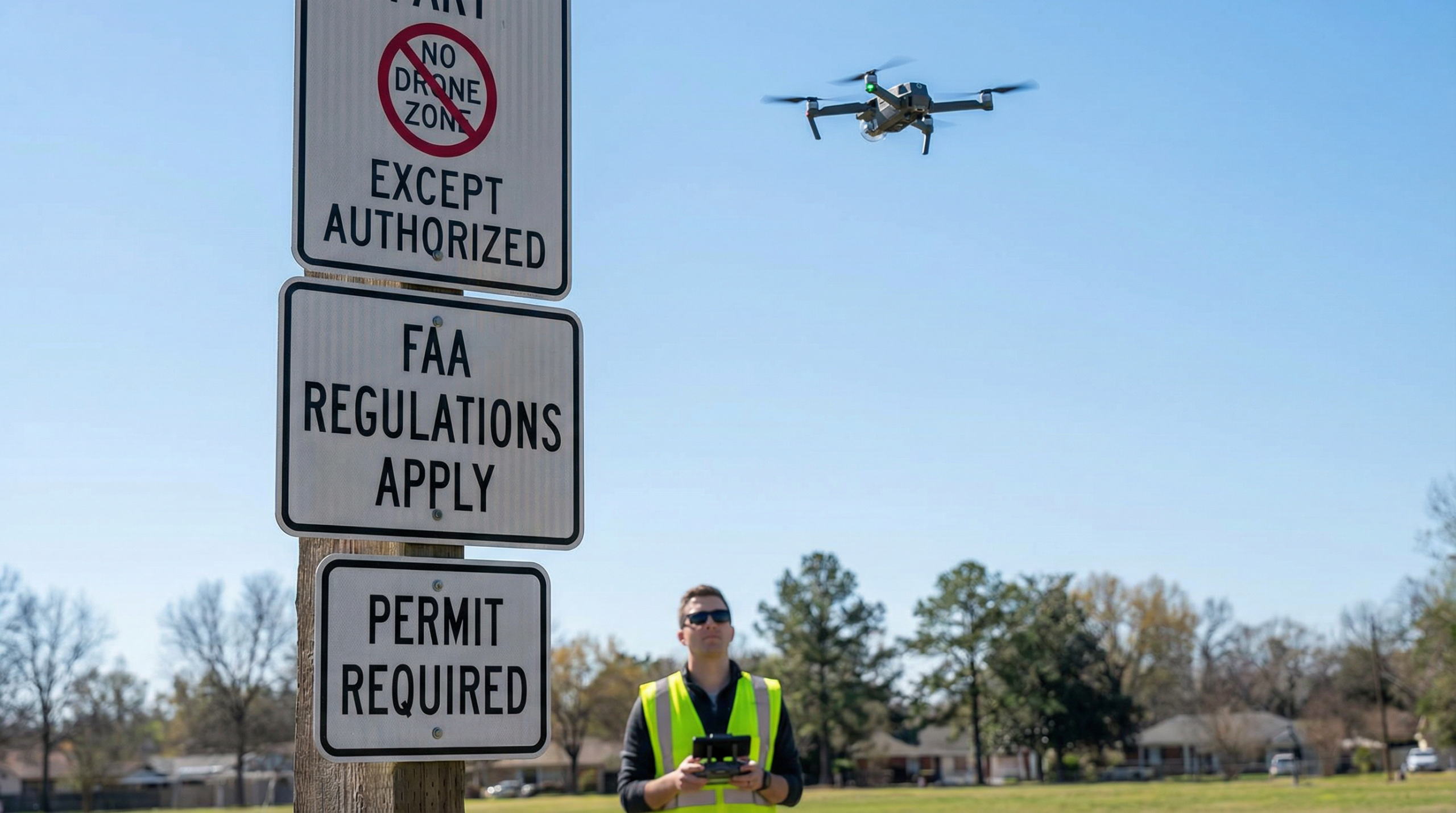
In 2026, drone regulations have become stricter across all major regions. US: Remote ID mandatory, Part 107 for commercial use, 400ft altitude limit. EU: CE marking required, Open/Specific/Certified categories. UK: CAA registration mandatory for drones >250g, Operator ID needed. Always check local NOTAMs and airspace restrictions before flying.
Drone Laws & Regulations 2026: What Every Pilot Must Know
This article contains affiliate links. TheRoboWire may earn a commission on qualifying purchases at no extra cost to you. See our affiliate disclosure for details.
Drone regulations have evolved significantly in 2026, with harmonized international standards emerging while maintaining regional differences. Understanding these laws isn’t just about legal compliance—it’s about safe flying that protects both pilots and the public.
This comprehensive guide covers the latest regulations in the United States, European Union, and United Kingdom. We’ll break down registration requirements, flight restrictions, and operational limits that affect recreational and commercial drone pilots.
Global Regulatory Trends in 2026
Three major trends have shaped drone regulations worldwide in 2026:
- Universal Remote ID: Most regions now require electronic identification
- Risk-based categorization: Regulations scale with drone capabilities and use cases
- Enhanced airspace integration: Improved systems for manned-unmanned aircraft coordination
These changes reflect the maturing drone industry and the need for robust safety frameworks as drone adoption accelerates.
United States Regulations (FAA)
The Federal Aviation Administration (FAA) has implemented several key updates to drone regulations in 2026, building on the foundation established by Part 107 and recreational flying rules.
Registration Requirements
Recreational Flying:
- Drones weighing 0.55-55 pounds must be registered
- Registration costs $5 for 3 years
- Registration number must be displayed on the aircraft
- Sub-250g drones (like DJI® Mini series) are exempt
Commercial Operations:
- Part 107 Remote Pilot Certificate required
- Must pass aeronautical knowledge test
- Recurrent training every 24 months
- Medical certificate not required (but pilot must self-assess fitness)
Remote ID Compliance
As of September 2023, all drones must broadcast Remote ID unless flying at approved identification areas. In 2026, this requirement is strictly enforced:
- Standard Remote ID: Built into newer drones (most 2023+ models)
- Remote ID Broadcast Module: Required for older drones
- FAA-Recognized Identification Areas (FRIAs): Limited locations where Remote ID is not required
Operational Limitations
Altitude and Distance:
- Maximum altitude: 400 feet above ground level
- Must maintain visual line of sight
- Cannot fly over people unless authorized
- Minimum distance from airports varies by airspace class
No-Fly Zones:
- Within 5 miles of airports (requires LAANC authorization)
- Over national parks and monuments
- Near military installations
- During major sporting events or emergencies
LAANC System
Low Altitude Authorization and Notification Capability (LAANC) provides near real-time airspace authorization:
- Available through approved apps (B4UFLY, AirMap, etc.)
- Instant approvals for many controlled airspace requests
- Required for flights in controlled airspace
- Available 24/7 at most major airports
Part 107 Waivers
Commercial operators can apply for waivers to exceed standard limitations:
- Night operations: Anti-collision lighting required
- Operations over people: Requires aircraft categorization
- Beyond visual line of sight: Extensive safety case required
- Operations from moving vehicles: Limited to sparsely populated areas
European Union Regulations (EASA)
The European Union Aviation Safety Agency (EASA) has established a harmonized regulatory framework across all EU member states, implemented fully by 2026.
Open Category Operations
Most recreational and basic commercial operations fall under the Open Category, subdivided into three subcategories:
A1 Subcategory:
- Drones under 250g with CE Class C0 marking
- May fly over uninvolved people
- Maximum altitude: 120 meters (394 feet)
- No training certificate required
A2 Subcategory:
- Drones under 2kg with CE Class C1 marking
- Must maintain 30m distance from uninvolved people
- A2 Certificate of Competency required
- Enhanced safety features mandatory
A3 Subcategory:
- Drones under 25kg
- Must fly in areas where pilot can ensure no uninvolved people are endangered
- Minimum 150m distance from residential, commercial, or industrial areas
- Basic online training required
CE Marking Requirements
All drones sold in the EU must display CE marking and conform to applicable standards:
- Class C0: Under 250g, no camera or toy camera only
- Class C1: Under 900g, equipped with camera
- Class C2: Under 4kg with performance requirements
- Class C3: Under 25kg, no special requirements
- Class C4: Under 25kg, no automation allowed
Registration and Training
Operator Registration:
- Required for drones over 250g or equipped with cameras
- Valid for 5 years
- Costs vary by member state (typically €10-30)
- Online training and examination required
Remote Pilot Competency:
- A1/A3 operations: Online training only
- A2 operations: Online training plus practical self-training
- Certificates valid for 5 years
Specific Category Operations
For operations not covered by Open Category limitations:
- Operational authorization from National Aviation Authority
- Risk assessment required (SORA methodology)
- May allow BVLOS, operations over people, in controlled airspace
- Typically used for commercial operations
United Kingdom Regulations (CAA)
The UK Civil Aviation Authority (CAA) has maintained alignment with EU regulations while implementing some unique requirements post-Brexit.
Registration Requirements
Operator ID:
- Required for drones 250g-20kg
- £10.33 per year
- Includes online safety test
- Must be renewed annually
Flyer ID:
- Required for drones 250g-20kg
- £10.33 per year (can be combined with Operator ID for £20.66)
- Online theory test required
- Valid for 5 years
Flight Restrictions
Distance Requirements:
- 150m from residential, commercial, or recreational areas
- 50m from uninvolved people
- 30m during takeoff and landing
- These distances may be reduced with appropriate subcategory permissions
Altitude and Airspace:
- Maximum 400 feet (120m) above ground
- Must maintain visual line of sight
- Prohibited in restricted airspace without permission
- Flight restriction zones around airports and sensitive areas
Commercial Operations
Commercial drone operations in the UK require:
- Permission for Commercial Operations (PfCO) or
- Operational authorization under specific category
- General Visual Line of Sight Certificate (GVC) available for standard operations
- Enhanced permissions available for complex operations
Airspace Classification and Restrictions
Controlled vs. Uncontrolled Airspace
Controlled Airspace:
- Requires authorization before flying
- Includes airports and busy air traffic areas
- Different classes (A, B, C, D) with varying requirements
- LAANC system provides near-instant authorization in many areas
Uncontrolled Airspace:
- Generally Class G airspace
- No ATC authorization required
- Still subject to altitude and operational limitations
- Must monitor for temporary restrictions (NOTAMs)
Temporary Flight Restrictions (TFRs)
Temporary restrictions can be imposed for:
- Emergency response operations
- Major sporting events
- VIP movements
- Military exercises
- Natural disasters
Always check NOTAMs (Notice to Airmen) before flying.
International Flying
ICAO Standards
The International Civil Aviation Organization (ICAO) has established global standards for drone operations:
- SARPs (Standards and Recommended Practices) for UAS
- Harmonized pilot licensing framework
- Interoperable Remote ID standards
- Common risk assessment methodologies
Country-Specific Requirements
When flying internationally, research local requirements:
- Some countries prohibit drone imports entirely
- Registration may be required regardless of drone weight
- Insurance requirements vary significantly
- Cultural and privacy considerations may differ
Insurance and Liability
Insurance Requirements
United States:
- No federal insurance requirement for recreational flying
- Commercial operations typically require liability insurance
- Some states have additional requirements
European Union:
- Insurance mandatory for certain operations
- Minimum coverage amounts specified by member states
- Must cover third-party liability
United Kingdom:
- Insurance required for commercial operations
- Recommended for recreational flying
- Minimum £1 million coverage for most commercial operations
Liability Considerations
Drone pilots are generally liable for:
- Property damage caused by their aircraft
- Personal injury to third parties
- Privacy violations
- Regulatory violations and associated fines
Technology Requirements
Remote ID Implementation
Remote ID systems must broadcast:
- Unique identifier for the aircraft
- Location of aircraft and control station
- Altitude and velocity information
- Emergency status if applicable
Detect and Avoid (DAA)
While not yet mandatory for most operations, DAA systems are becoming more common:
- Required for some beyond visual line of sight operations
- May become standard for urban operations
- Reduces risk of mid-air collisions
Penalties and Enforcement
United States
- Civil penalties up to $27,500 for individuals
- Criminal penalties possible for serious violations
- Drone confiscation for repeat offenders
- Possible certificate revocation for commercial pilots
European Union
- Penalties vary by member state
- Fines typically range from €100-10,000
- Registration and competency certificate suspension possible
- Criminal prosecution for serious violations
United Kingdom
- Unlimited fines possible
- Up to 5 years imprisonment for serious offenses
- Operator and flyer ID suspension
- Aircraft confiscation in extreme cases
Frequently Asked Questions
Do I need a license to fly a drone recreationally?
License requirements vary by location. In the US, no license is required for recreational flying, but drones over 250g must be registered. The EU requires online training and competency certificates for most operations. The UK requires both Operator and Flyer IDs for drones over 250g.
Can I fly my drone at night?
Night flying regulations differ by region. In the US, recreational pilots can fly at night with appropriate lighting. Commercial pilots need a Part 107 waiver. The EU generally prohibits night flying under Open Category unless the drone has appropriate lighting and pilot certification. The UK allows night flying with proper lighting for qualified pilots.
What happens if I fly in restricted airspace?
Flying in restricted airspace without authorization can result in significant penalties, including fines, criminal charges, and equipment confiscation. Always check airspace restrictions before flying and obtain proper authorization when required.
Are there different rules for racing drones?
Racing drones (FPV drones) are subject to the same regulations as other drones based on their weight and capabilities. However, many racing activities occur at designated FRIAs where some regulations may be relaxed. Some regions have specific provisions for FPV flying with visual observers.
How do I get authorization to fly in controlled airspace?
In the US, use the LAANC system through approved apps. The EU requires authorization from National Aviation Authorities for operations in controlled airspace. The UK pilots should check with NATS or the CAA for airspace authorizations.
What insurance do I need for drone flying?
Insurance requirements vary by region and operation type. Commercial operations typically require liability insurance, while recreational flying may not have mandatory insurance requirements. However, insurance is recommended for all drone operations to protect against potential liability.
Staying Compliant in 2026
Drone regulations continue evolving as technology advances and airspace becomes more congested. To stay compliant:
- Register your equipment: Ensure all drones are properly registered before flying
- Maintain current knowledge: Regulations change frequently; stay updated through official sources
- Use official apps: Leverage LAANC, B4UFLY, and similar tools for real-time airspace information
- Document your operations: Keep flight logs and maintain records of authorizations
- Consider insurance: Protect yourself against potential liability
The Future of Drone Regulations
Looking ahead, we can expect continued regulatory evolution focused on:
- Urban Air Mobility: Regulations for passenger-carrying aircraft and delivery drones
- Automated Operations: Framework for fully autonomous drone operations
- Enhanced Integration: Better coordination between manned and unmanned aircraft
- Performance-Based Regulations: Regulations based on demonstrated safety performance rather than prescriptive rules
The regulatory landscape will continue balancing innovation with safety, requiring ongoing attention from all drone operators.
Conclusion
Understanding drone regulations in 2026 requires attention to both local and evolving international standards. While complexity has increased, the regulatory framework provides clearer guidance for safe drone operations across recreational and commercial use cases.
The key to successful compliance is staying informed, using official resources, and prioritizing safety in all operations. As the industry matures, we can expect continued refinement of these regulations to support both innovation and public safety.
Remember that this guide provides general information, and specific requirements may vary by location and change over time. Always consult official regulatory sources and consider professional legal advice for complex commercial operations.
