


Quick Answer
The best FPV drone for beginners in 2026 is the DJI Avata 2 ($999) for its built-in safety features and easy learning curve. For traditional FPV, the BetaFPV Cetus X ($199) offers the best value, while the GEPRC CineLog 35 ($289) excels for cinematic flying. Racing enthusiasts should consider the iFlight Nazgul ECO ($179).
Best FPV Drones for Beginners: 2026 Guide
This article contains affiliate links. TheRoboWire may earn a commission on qualifying purchases at no extra cost to you. See our affiliate disclosure for details.
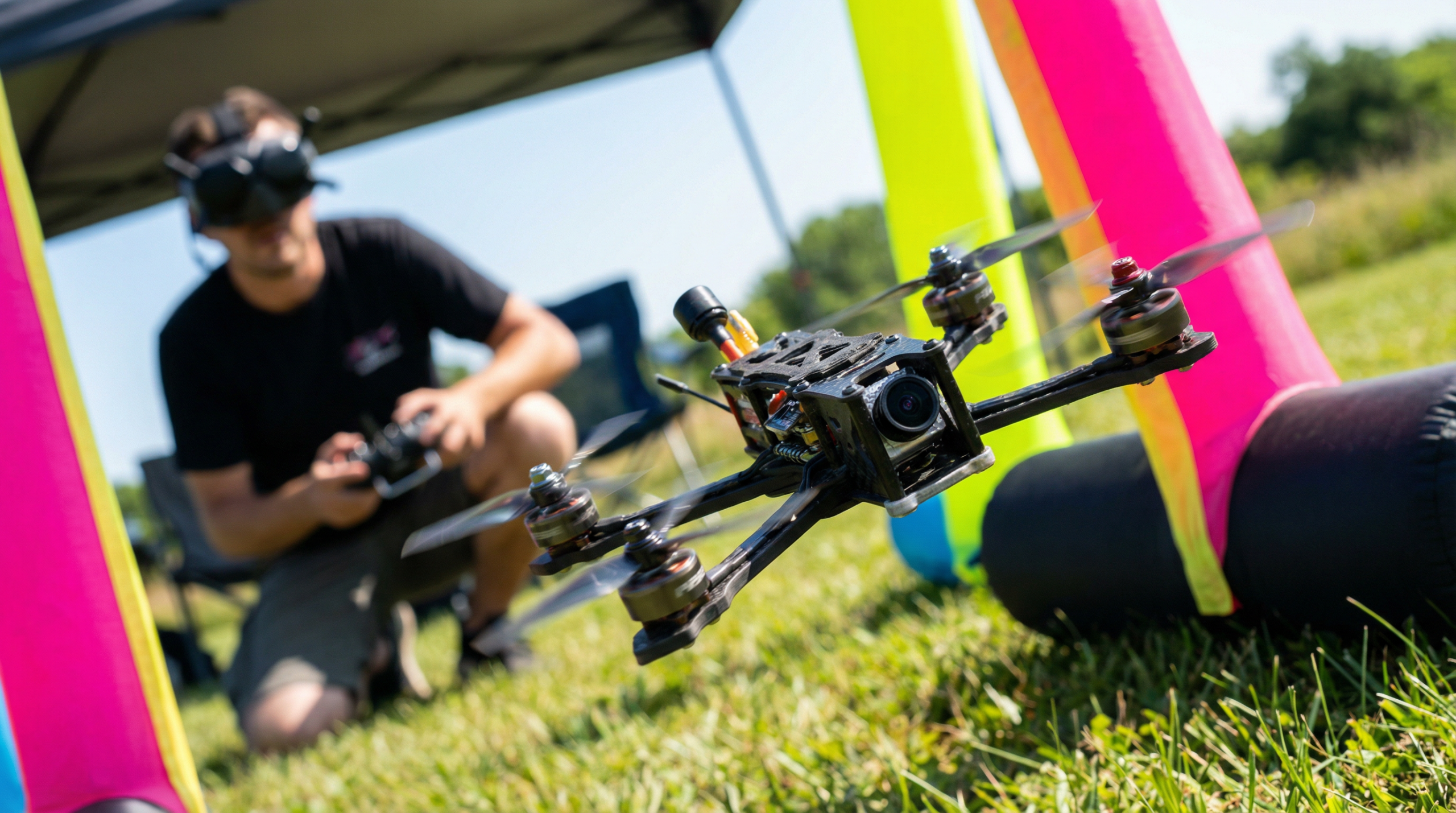
First-person view (FPV) flying represents the most immersive form of drone piloting, offering an experience that’s part video game, part extreme sport. In 2026, FPV technology has become more accessible than ever, with options ranging from beginner-friendly cinewhoop drones to high-performance racing quads.
This guide focuses on the best FPV drones for beginners, covering both ready-to-fly options and bind-and-fly models that offer the perfect introduction to the world of FPV flying without overwhelming new pilots.
Understanding FPV Drone Categories
FPV drones fall into several distinct categories, each optimized for different flying styles:
Cinewhoop Style
Ducted propeller designs prioritizing safety and smooth footage. Perfect for indoor flying and close-proximity filming.
Racing Quads
Lightweight, fast drones built for speed and agility. Typically 5-inch propellers with powerful motors optimized for quick acceleration.
Freestyle Drones
Balanced builds capable of both smooth cinematic shots and aggressive acrobatic maneuvers.
Micro FPV
Tiny drones perfect for indoor flying and learning basic FPV skills without the risk of property damage.
DJI Avata 2: Best Overall for Beginners
Price: $999 (with goggles and controller) | Weight: 377g | Propeller Size: Ducted design
The DJI® Avata 2 revolutionizes beginner FPV flying by combining traditional FPV immersion with DJI’s signature safety features and image quality. It’s the most beginner-friendly FPV drone ever created.
Key Features
- Built-in obstacle avoidance (unique in FPV drones)
- Emergency brake and hover function
- 4K/60p recording with RockSteady stabilization
- Turtle mode for self-recovery
- One-push acro mode toggle
What’s in the Box
- DJI Avata 2 aircraft
- DJI Goggles 3 with head tracking
- DJI RC Motion 3 controller
- Three flight batteries
- Propeller guards
Pros
- Safest FPV drone for beginners
- Professional 4K video quality
- No building or configuration required
- Emergency brake prevents crashes
- Excellent customer support
Cons
- Most expensive option
- Proprietary ecosystem
- Limited upgrade potential
- Heavier than traditional FPV drones
BetaFPV Cetus X: Best Value for Traditional FPV
Price: $199 (bind-and-fly) | Weight: 145g | Propeller Size: 3-inch
The BetaFPV® Cetus X offers authentic FPV flying at an incredibly accessible price point. This ready-to-fly cinewhoop design provides gentle introduction to manual FPV controls.
Key Features
- Brushless motors for durability
- Integrated Caddx Ant camera
- 25mW VTX for safe indoor flying
- Lightweight 3S battery system
- Ducted propellers for safety
Flight Characteristics
The Cetus X flies predictably and forgivingly, making it ideal for learning basic FPV maneuvers. Its 3-inch prop configuration provides enough power for outdoor flying while remaining gentle enough for indoor practice.
Pros
- Excellent value for money
- Genuine FPV flying experience
- Ducted props increase safety
- Good for indoor and outdoor use
- Compatible with standard FPV equipment
Cons
- Requires separate goggles and controller
- Basic camera quality
- Limited flight time (4-6 minutes)
- No GPS or stabilization aids
GEPRC CineLog 35: Best for Cinematic Flying
Price: $289 (bind-and-fly) | Weight: 289g | Propeller Size: 3.5-inch
The GEPRC® CineLog 35 strikes an excellent balance between cinematic capability and beginner-friendly characteristics. Its unique 3.5-inch propeller configuration provides smooth, controllable flight perfect for aerial cinematography.
Key Features
- Optimized for smooth cinematic footage
- Caddx Vista camera system
- Carbon fiber frame construction
- 25A 4-in-1 ESC
- Designed for 4S battery systems
Build Quality
GEPRC’s attention to detail shines in the CineLog 35’s construction. The carbon fiber frame provides durability without excess weight, while the motor and ESC selection prioritizes smoothness over raw power.
Pros
- Exceptional smooth flight characteristics
- High-quality camera system
- Durable carbon fiber construction
- Good battery life (7-9 minutes)
- Excellent for learning smooth flying
Cons
- More expensive than pure beginner options
- Requires FPV goggles and controller
- Less agile than racing drones
- 4S batteries more expensive
iFlight Nazgul ECO: Best for Racing Introduction
Price: $179 (bind-and-fly) | Weight: 395g | Propeller Size: 5-inch
The iFlight® Nazgul ECO provides an affordable entry point into 5-inch racing drones. Despite its budget-friendly price, it doesn’t compromise on essential features needed for competitive flying.
Key Features
- Full-size 5-inch racing configuration
- 2207 1750KV motors
- 45A 4-in-1 ESC with current sensor
- SucceX-E F4 flight controller
- Designed for 6S battery systems
Performance
The Nazgul ECO delivers genuine racing drone performance with enough power to execute advanced maneuvers while remaining manageable for developing pilots.
Pros
- True racing drone performance
- Excellent power-to-weight ratio
- Quality components throughout
- Upgradeable and repairable
- Active racing community support
Cons
- Steeper learning curve
- Higher crash damage potential
- Requires more powerful batteries
- Not suitable for indoor flying
Essential FPV Equipment for Beginners
FPV Goggles
Goggles provide the immersive first-person view that defines FPV flying:
Budget Option: Eachine EV800D ($99)
- Built-in diversity receiver
- 5-inch LCD screen
- Decent image quality for beginners
- Replaceable battery
Mid-Range: Skyzone Cobra X ($299)
- OLED display with excellent colors
- Integrated head tracking
- Multiple receiver modules supported
- Comfortable for extended flying
Premium: DJI Goggles 3 ($829)
- Ultra-low latency digital transmission
- 4K recording capability
- Built-in head tracking
- Works exclusively with DJI digital system
Radio Controllers
FPV flying requires precise, low-latency control:
Entry Level: RadioMaster Zorro ($159)
- Compact game-controller style design
- Hall effect gimbals for precision
- EdgeTX operating system
- Perfect for beginners
Advanced: FrSky Taranis X-Lite Pro ($299)
- Professional-grade build quality
- Excellent ergonomics
- Advanced mixing and programming
- Preferred by experienced pilots
Batteries and Charging
LiPo battery management is crucial for FPV flying:
- 3S batteries: 850-1300mAh for smaller drones
- 4S batteries: 1300-1800mAh for 5-inch drones
- 6S batteries: 1300-1550mAh for high-performance racing
- Charger: ISDT Q6 Nano or similar balance charger
- Battery checker: Monitor cell voltages regularly
Learning FPV Flying: Step-by-Step Progression
Stage 1: Simulator Training
Before touching a real drone, spend significant time in FPV simulators:
- Liftoff: Realistic physics and tracks
- Velocidrone: Precise flight characteristics
- DRL Simulator: Professional racing courses
- FPV Freerider: Simple, accessible introduction
Stage 2: First Flights
Begin with controlled environments and progressive skill building:
- Indoor hover practice
- Basic forward/backward movement
- Figure-8 patterns
- Altitude changes with movement
- Basic obstacle navigation
Stage 3: Intermediate Skills
Develop more advanced control and spatial awareness:
- Smooth cinematic movements
- Banking turns and coordinated flight
- Introduction to manual mode (acro)
- Basic flip and roll maneuvers
- Power loop practice
Stage 4: Advanced Techniques
Master advanced maneuvers and racing techniques:
- Split-S and Immelman turns
- Knife-edge flying
- Gap navigation at speed
- Racing line optimization
- Freestyle trick combinations
Safety Considerations for FPV Flying
Legal Requirements
FPV flying has specific regulatory considerations:
- Visual observer required: Someone must maintain visual contact with the aircraft
- Frequency coordination: Avoid interference with other pilots
- Altitude limitations: Same 400-foot limit applies
- Airspace restrictions: Follow all standard drone regulations
Equipment Safety
FPV equipment requires careful handling:
- LiPo battery safety: Never over-discharge or damage batteries
- Antenna protection: Broken antennas can cause flyaways
- Goggle breaks: Take regular breaks to prevent eye strain
- Weather awareness: FPV drones are more vulnerable to wind
Building vs Buying: What’s Right for Beginners?
Ready-to-Fly (RTF) Advantages
- No technical knowledge required
- Warranty and support included
- Guaranteed compatibility
- Faster path to flying
Build-Your-Own Benefits
- Learn technical skills
- Custom configuration options
- Better understanding for repairs
- Potentially lower cost
For most beginners, we recommend starting with RTF or bind-and-fly options to focus on learning to fly rather than technical building skills.
Common Beginner Mistakes
Equipment-Related Mistakes
- Buying too advanced too soon: Start simple and progress gradually
- Ignoring simulator training: Simulators save money and frustration
- Inadequate spare parts: Stock up on propellers and batteries
- Poor battery management: Learn proper LiPo care immediately
Flying Mistakes
- Flying too far too soon: Stay close while learning
- Ignoring weather conditions: Wind dramatically affects small drones
- Poor orientation awareness: Practice in open areas first
- Rushing progression: Master each skill before advancing
Frequently Asked Questions
How long does it take to learn FPV flying?
Learning basic FPV flying typically takes 10-20 hours of combined simulator and real-world practice. Achieving smooth, confident flying usually requires 50+ hours, while mastering advanced freestyle or racing techniques can take hundreds of hours of dedicated practice.
What’s the difference between analog and digital FPV?
Analog FPV uses traditional video transmission with characteristic “static” interference but longer range and lower latency. Digital FPV (like DJI’s system) provides crystal-clear video with recording capabilities but is more expensive and has slightly higher latency.
Do I need a ham radio license for FPV flying?
In the US, you need an amateur radio (ham) license to legally operate FPV equipment above 25mW power or on certain frequencies above 1GHz. Most beginner setups use 25mW or less and don’t require licensing, but check local regulations.
How much should I expect to spend getting started?
Entry-level FPV flying costs $400-600 including drone, goggles, controller, batteries, and charger. The DJI Avata 2 system costs around $999 but includes everything needed. Budget at least $200 annually for maintenance, upgrades, and crash repairs.
Can I use my smartphone for FPV flying?
While some drones offer smartphone FPV through apps, true FPV flying requires dedicated goggles for the immersive experience and low latency needed for safe flying. Smartphone flying typically has too much delay for aggressive FPV maneuvers.
What’s the best way to find other FPV pilots?
Join local multirotor clubs, check Facebook groups for your area, visit hobby shops, and look for organized events or races. Many cities have regular FPV meetups where experienced pilots help beginners learn safely.
Maintenance and Upkeep
Regular Maintenance Tasks
- Propeller inspection: Check for cracks or damage before each flight
- Motor bearing health: Listen for grinding or roughness
- Frame integrity: Inspect carbon fiber for stress fractures
- Electrical connections: Ensure all wires are secure
- Camera and VTX mounting: Verify secure attachment
Crash Repair Basics
- Propeller replacement: Most common repair
- Motor replacement: Learn to solder and replace motors
- Frame damage: Minor cracks can be reinforced
- Electronic component failure: Build troubleshooting skills
Conclusion
FPV flying in 2026 offers unprecedented opportunities for beginners to enter this exciting hobby. Whether you choose the safety and simplicity of the DJI Avata 2, the traditional FPV experience of the BetaFPV Cetus X, the cinematic capabilities of the GEPRC CineLog 35, or the racing potential of the iFlight Nazgul ECO, you’re entering a hobby that combines technical skill, hand-eye coordination, and creative expression.
The key to success in FPV flying is patience, practice, and progression. Start with simulators, choose appropriate beginner equipment, and gradually build your skills in safe environments. The FPV community is welcoming and helpful—don’t hesitate to reach out for advice and guidance.
Remember that crashes are part of learning, and building repair skills is essential for long-term enjoyment of the hobby. With the right equipment, proper training, and dedication to safety, FPV flying provides an incredibly rewarding experience that combines the thrill of flight with the satisfaction of mastering a challenging skill.
The drones recommended in this guide represent the best current options for beginners, offering various paths into FPV flying based on your interests, budget, and goals. Choose the option that best matches your situation, and prepare for one of the most exciting hobbies you’ll ever discover.
