


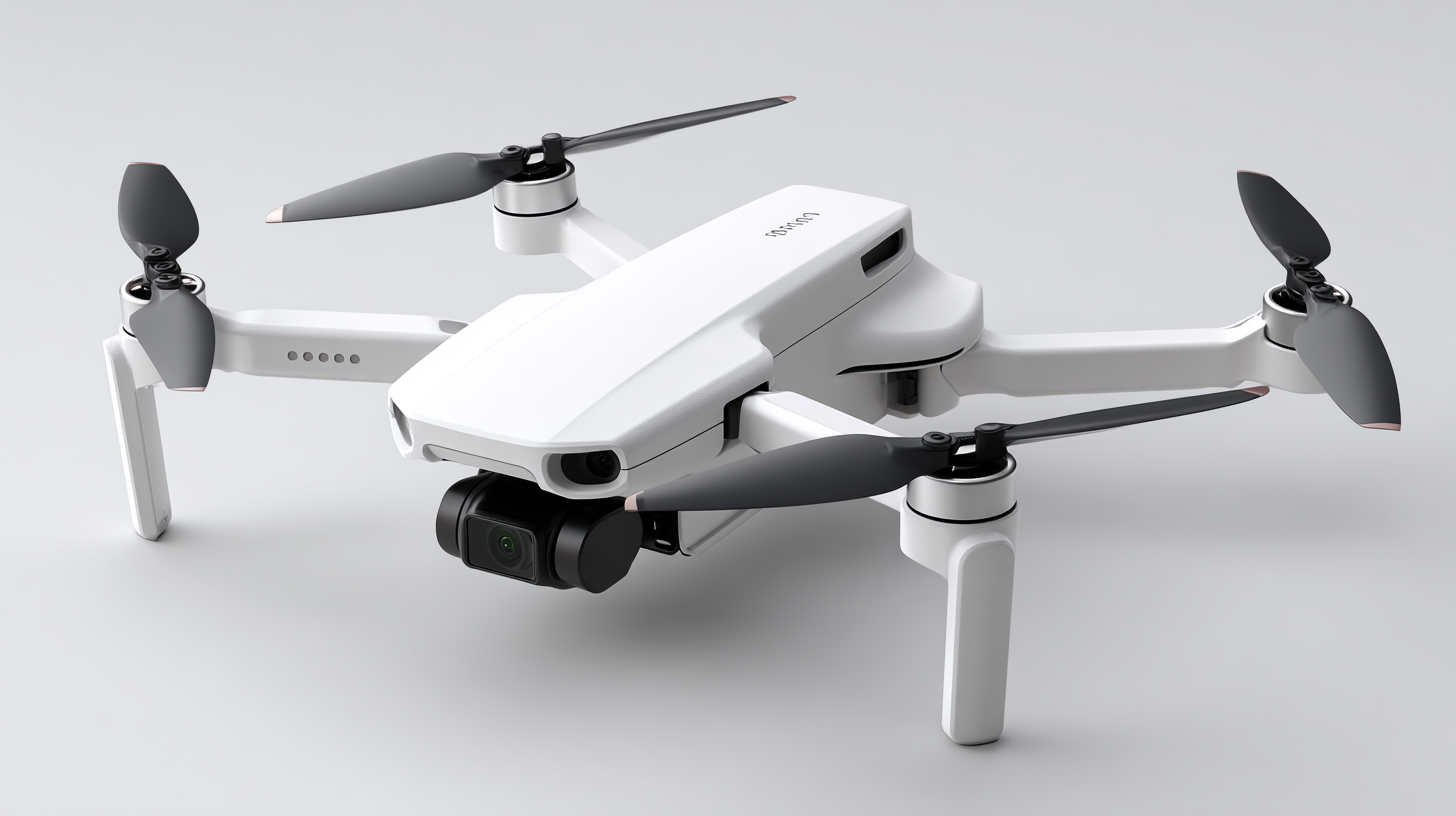
The DJI Neo 2 is the best indoor drone for most people in 2026, thanks to omnidirectional obstacle avoidance, enclosed propellers, and a 4K camera — all for $249. If you want cinematic FPV footage, the DJI Avata 2 ($579) is the top pick. For beginners on a budget, the Holy Stone HS210 ($35) gets you flying safely in minutes.
TL;DR — Key Takeaways
- Best overall: DJI Neo 2 — omnidirectional sensing, enclosed props, 4K/100fps, 19 min flight time, $249
- Best for cinematic FPV: DJI Avata 2 — integrated prop guards, 4K/60fps on 1/1.3″ sensor, 18 min flight
- Best budget pick: Holy Stone HS210 — full prop guards, 3 batteries included, under $35
- Indoor drones need propeller guards, stable hover, and compact size — GPS doesn’t work indoors, so look for vision-based positioning
- Expect 6–19 minutes of flight time depending on model and price tier
What Makes a Drone Good for Indoor Flying?
Flying indoors is a completely different challenge from outdoor flight. There’s no GPS signal, spaces are tight, and one wrong move sends your drone into a lamp or a TV. The best indoor drones share a few non-negotiable features:
- Propeller guards or enclosed blades — This is the single most important feature. Full prop guards protect furniture, pets, and the drone itself from collision damage.
- Vision-based positioning — Without GPS, indoor drones use downward-facing cameras and infrared sensors to hold their position. This prevents drifting into walls.
- Compact size and light weight — Smaller frames navigate through doorways and around furniture. Under 250g also means no FAA registration in the US.
- Altitude hold — Barometric sensors keep the drone at a steady height, so beginners don’t accidentally send it into the ceiling.
- Low noise — Brushless motors run quieter. Important when you’re flying in a living room or office.
Obstacle avoidance is a bonus at higher price points — the DJI Neo 2 has omnidirectional sensing, while budget models rely entirely on your piloting and their prop guards.
Best Indoor Drones for Small Spaces in 2026
1. DJI Neo 2 — Best Overall Indoor Drone ($249)
The DJI Neo 2 is the standout indoor drone for 2026. At 151g, it’s light enough to maneuver in tight spaces while packing a 12MP camera that shoots 4K video at 100fps. The headline feature is omnidirectional obstacle avoidance — it combines monocular vision sensors with forward-facing LiDAR and downward infrared sensing. In plain English: it detects walls, furniture, people, and pets from every direction.
The fully enclosed propellers eliminate exposed blades, making it safe around children and pets. Palm launch and landing means you don’t need a flat takeoff surface — just hold it up and go. Battery life hits 19 minutes, which is excellent for a drone this size.
| Spec | DJI Neo 2 |
|---|---|
| Price | $249 |
| Weight | 151g |
| Camera | 12MP, 4K/100fps |
| Flight Time | 19 min |
| Obstacle Avoidance | Omnidirectional (LiDAR + vision + IR) |
| Propeller Guards | Fully enclosed |
Verdict: If you want one drone that does indoor and casual outdoor flying well, this is the one to buy. The obstacle avoidance alone makes indoor flying significantly less stressful.
2. DJI Avata 2 — Best for Cinematic FPV Indoors (from $579)
The DJI Avata 2 is the gold standard for indoor cinematic flight. It’s a Cinewhoop-style FPV drone with integrated propeller guards, a compact 185×212 mm frame, and a 1/1.3-inch CMOS sensor that shoots 4K at 60fps on a 3-axis gimbal. At 377g, it’s heavier than the Neo 2 but still maneuverable in hallways and through doorways.
Pair it with FPV goggles and the Motion Controller 3 for an immersive flying experience. Three flight modes (including a beginner-friendly Normal mode) make it accessible even if you’ve never flown FPV before. Real estate agents, content creators, and action sports filmmakers use the Avata 2 for dynamic indoor shots that standard drones simply can’t capture.
Pros:
- Cinematic 4K/60fps footage with 3-axis stabilization
- Built-in prop cage for safe indoor maneuvers
- Level 5 wind resistance — doubles as an outdoor drone
- Immersive FPV flying with DJI Goggles 3
Cons:
- 18-minute battery limits longer indoor shoots
- Higher price point — Fly More Combo runs $779+
- No full 360° obstacle sensing — relies on prop cage and pilot awareness
3. Holy Stone HS210 — Best Budget Indoor Drone (Under $35)
The Holy Stone HS210 proves you don’t need to spend hundreds to fly indoors. At under $35, it ships with three batteries (totaling about 21 minutes of flight time), full propeller guards, and auto-hovering. It weighs almost nothing, fits in a palm, and has three speed modes so beginners can start slow.
There’s no camera, but that’s not the point. This is a trainer and a toy — perfect for kids aged 8+ or adults who want to learn stick controls before investing in a camera drone. LED lights help with orientation, and headless mode eliminates directional confusion for brand-new pilots.
4. DJI Ryze Tello — Best for Learning and Programming (~$99)
The Ryze Tello is the entry point into the DJI ecosystem. Built by Ryze Tech with DJI flight stabilization and an Intel processor, it weighs just 80g and shoots 720p video through a 5MP camera. Flight time is 13 minutes, and the vision positioning system keeps it stable indoors in well-lit rooms.
The real differentiator is programmability. Tello supports Scratch (MIT’s coding platform) and the Tello SDK, making it a legitimate STEM education tool. Kids can code flight paths, loops, and tricks, then watch the drone execute them in real time. Prop guards come included, and Throw & Go lets you toss it into the air to launch.
At $99, it’s aging hardware (720p, limited range), but nothing else at this price combines DJI-grade stability with educational programming features.
5. EMAX Tinyhawk III — Best Micro FPV Trainer (~$120)
For anyone serious about learning FPV flying, the EMAX Tinyhawk III is a micro FPV platform built for indoor practice. It’s lightweight, agile, and designed for tight spaces. Crashes cost almost nothing — replacement parts are cheap and the whoop-style frame absorbs impacts.
This isn’t a camera drone or a selfie tool. It’s a skill-building machine. Learn throttle control, orientation, and acro mode in your living room before graduating to a full 5-inch freestyle quad outdoors. The low crash impact and repair cost make it the smartest way to develop FPV muscle memory.
6. Holy Stone HS420 — Best Mini Drone with Camera (~$50)
The Holy Stone HS420 is the sweet spot between the HS210 and more expensive camera drones. It includes a 720p HD FPV camera with an adjustable angle, WiFi real-time transmission, and gesture-controlled photo shooting. Two modular batteries keep you flying longer.
Fun features include 3D flips, circle fly, high-speed rotation, and app-controlled flight paths. Full propeller guards make it safe for indoor use, and High/Low speed modes accommodate both beginners and experienced pilots. At around $50, it’s a lot of drone for the money.
Indoor Drones Comparison Table
| Drone | Price | Camera | Flight Time | Weight | Best For |
|---|---|---|---|---|---|
| DJI Neo 2 | $249 | 4K/100fps | 19 min | 151g | All-around indoor flying |
| DJI Avata 2 | From $579 | 4K/60fps | 18 min | 377g | Cinematic FPV |
| Holy Stone HS210 | ~$35 | None | 21 min (3 batteries) | 22g | Kids, beginners |
| Ryze Tello | ~$99 | 720p | 13 min | 80g | Education, programming |
| EMAX Tinyhawk III | ~$120 | FPV analog | 5–7 min | ~32g | FPV training |
| Holy Stone HS420 | ~$50 | 720p | 12 min (2 batteries) | 31g | Budget camera drone |
Actionable Checklist: Buying Your First Indoor Drone
- Decide your purpose — Fun/learning? Get the HS210. Video content? Go Neo 2 or Avata 2. STEM education? Ryze Tello. FPV skills? Tinyhawk III.
- Check propeller guards — Non-negotiable for indoor flying. If they’re optional accessories, buy them. If they’re built in, even better.
- Buy extra batteries — Most indoor drones fly 6–19 minutes. Budget for at least 2–3 spare batteries to avoid constant downtime.
- Clear the room — Remove breakable items from your flight zone. Even with prop guards, collisions happen.
- Start in beginner mode — Every drone with multiple speed settings should be flown in the slowest mode first. Build control before adding speed.
Frequently Asked Questions
Can I fly a regular outdoor drone indoors?
Technically yes, but it’s risky. Outdoor drones are larger, heavier, and rely on GPS for stability — which doesn’t work indoors. Without GPS lock, many outdoor drones drift unpredictably. If you do try it, use propeller guards and fly in a large, open room.
Do indoor drones need FAA registration?
In the US, drones under 250g don’t require FAA registration for recreational use. All the drones on this list except the DJI Avata 2 (377g) fall under that threshold. Rules vary by country — always check local regulations.
How long do indoor drone batteries last?
Most indoor drones offer 6–19 minutes per battery. Budget models tend toward the lower end. The DJI Neo 2 leads with 19 minutes, while micro FPV drones like the Tinyhawk III typically get 5–7 minutes. Buy spare batteries — it’s the most cost-effective upgrade.
Are indoor drones safe for children?
Models with full propeller guards (Holy Stone HS210, HS420, Ryze Tello) are designed to be kid-safe. The guards prevent blades from contacting skin or objects. Supervision is still recommended for children under 10, and eye protection is a smart precaution during learning phases.
What’s the best indoor drone for real estate photography?
The DJI Avata 2 is the top choice for real estate walkthroughs. Its FPV capability creates immersive property tours, and the 4K camera with 3-axis gimbal produces professional-grade footage. For simpler property shots, the DJI Neo 2 works well at less than half the price.
Can I fly an indoor drone in an apartment?
Yes — that’s exactly what they’re built for. Stick to models under 150g with full prop guards for apartments. The Holy Stone HS210 and DJI Neo 2 are both apartment-friendly. Keep windows closed, fly in the largest room available, and avoid flying near ceiling fans.
Do indoor drones work in low light?
Vision-based positioning systems need adequate lighting to function. In dim rooms, some drones may drift because their downward cameras can’t detect surface features. LED-equipped models are easier to see in low light, but camera quality suffers without good illumination.
What’s the difference between brushed and brushless motors on indoor drones?
Brushed motors (used on the Ryze Tello, HS210) are cheaper but wear out faster and are less efficient. Brushless motors (DJI Neo 2, Avata 2) last longer, run quieter, and deliver more power per watt. For casual flying, brushed motors are fine. For regular use, brushless is worth the upgrade.
Bottom Line
Indoor drones have come a long way from fragile toy quadcopters. In 2026, even budget models offer stable hover, prop guards, and decent cameras. The DJI Neo 2 hits the sweet spot — obstacle avoidance, 4K video, enclosed props, and a $249 price tag that makes it accessible to most buyers.
If you’re just starting out, grab a Holy Stone HS210 for under $35 and learn the basics without any risk. Once you’re confident with stick controls, upgrade to something with a camera. And if cinematic indoor footage is your goal, the DJI Avata 2 remains unmatched.
Whatever you choose, start slow, keep prop guards on, and clear the room before takeoff. Your TV will thank you.
Looking for outdoor drone options? Check out our guide to racing drones vs photography drones or browse the latest DJI drone news. If you’re interested in other smart devices for your home, our smart home starter kit guide is a great next read.
This article may contain affiliate links. TheRoboWire may earn a commission at no extra cost to you.
